
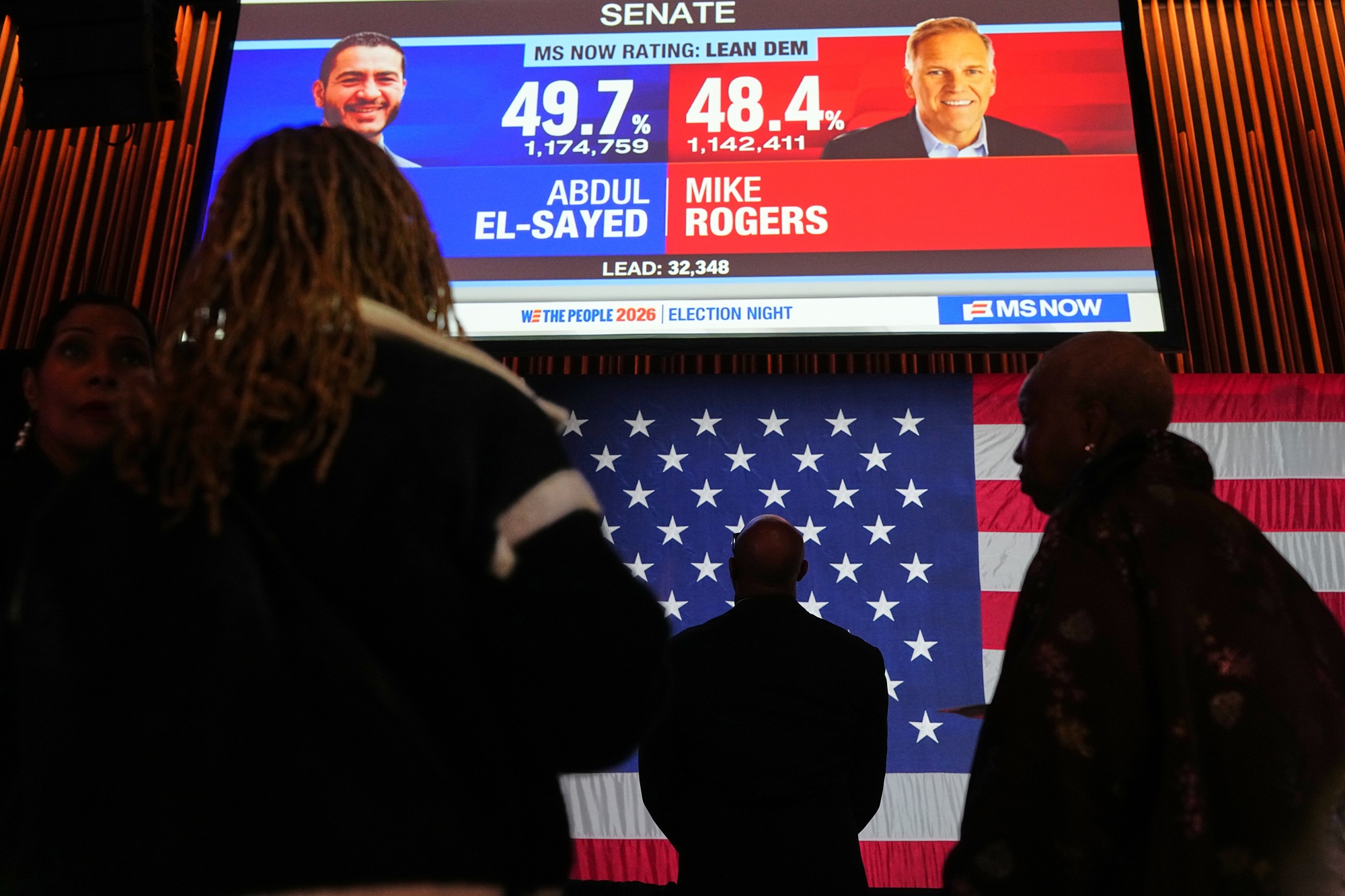
Voters are now watching how a divided government will work. Power is split between different parties, and everyone wants to see what happens next. This split will shape how leaders make laws and deal with big issues.
What is a divided government?
A divided government happens when one political party controls the white house while another party controls at least one house of Congress. This setup means that no single party has complete control over the entire lawmaking process. Both sides must talk to each other to get anything done for the country.
When power is shared this way, passing new laws takes much more time and work. Leaders from both sides have to agree on major bills before they can become law. Some people think this stops bad ideas, while others worry it creates complete gridlock in government.
How will voters respond to divided government?
Many people wonder how voters will react when their government is split between two parties. Some voters like this setup because it forces both political groups to work together and meet in the middle. They feel that shared power prevents either side from pushing extreme rules.
Other voters get very frustrated when a split government stops progress on important issues. They may blame one or both parties for failing to fix daily problems. People who are an independent voter often play a huge role in deciding which party gets the blame during the next election cycle.
Why this split power matters to you
A divided government directly touches your daily life through decisions on taxes, spending, and public rules. When leaders fight over the budget, government services can slow down or stall completely. People watch these fights closely to see if their local needs are getting met by elected officials.
Here are a few ways a split government changes how things work day to day:
- New laws usually need support from both major political parties to pass.
- Big government spending bills face much tougher fights and longer debates.
- Leaders focus more on investigating the other side instead of making new rules.
- Elections become tense as both sides try to break the power tie.
Groups like the League of Women Voters often help people understand how these changes impact their local communities and voting rights. Staying informed helps citizens hold every leader accountable, no matter which party is in charge.
What to watch for next in Washington
In the coming months, political leaders will test how much they can push their own goals. Voters will watch every debate, vote, and news update to see who is willing to compromise. The public reaction to this shared power will decide who wins control in future elections.
If leaders choose to fight instead of working together, voter anger could grow quickly. People want to see real results on the issues that affect their families and income. How both parties handle this divided government will set the tone for the entire country moving forward.
