
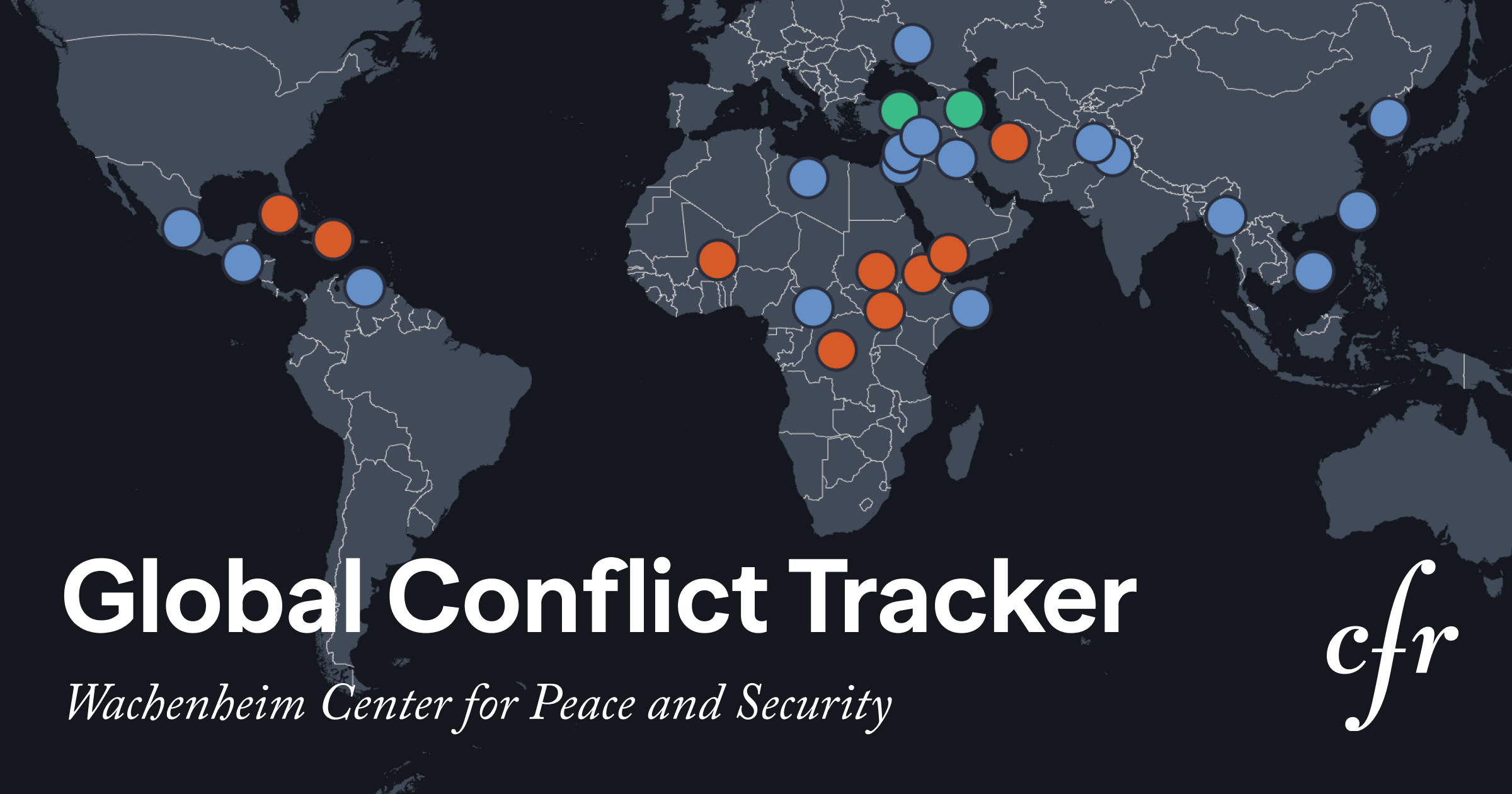
The Council on Foreign Relations has released a new update on the conflict in Ethiopia through its Global Conflict Tracker. Fighting and political tensions continue to create instability across the country. Observers are closely following these events as the situation develops.
What is happening with the conflict in Ethiopia?
According to the Council on Foreign Relations, the conflict in Ethiopia remains an active concern on global monitors. Multiple areas have faced unrest and military operations in recent years. This ongoing violence threatens the safety of civilians and disrupts essential services.
Understanding these developments requires looking at past unrest. Fighting has broken out in several regions over local control and political power. Many of these clashes are part of the broader Ethiopian civil conflict that has affected the nation for years.
How this affects everyday life for families
When fighting breaks out, normal life stops for regular people. Markets close down, roads become unsafe to travel, and food supplies drop quickly. Families often have to leave their homes behind to escape sudden attacks and shelling.
Key impacts reported during these periods of unrest include:
- Loss of homes: Many families are forced to move to safer regions.
- School closures: Children often miss months or years of basic education.
- Economic hardship: Local businesses shut down and basic goods cost much more.
These disruptions make it hard for communities to rebuild after violence stops. Even when fighting calms down in one area, fear can keep people from returning home right away.
Regional history and border tensions
Tensions in the Horn of Africa often spread past a single border. Ethiopia has a long history of disputes with neighboring countries over territory and political influence. In past decades, large battles took place during the Eritrean-Ethiopian War, which left lasting scars across the border zone.
Because of this shared history, unrest inside Ethiopia worries leaders across the entire region. Instability can disrupt regional trade routes and cause displacement across national borders. Outside observers continue to watch these borders to see if current tensions will spread into neighboring lands.
What should observers watch for next?
In the coming months, peace monitors will watch to see if leaders can find common ground. Halting the fighting requires lasting agreements that address long-standing local complaints. Without clear talks, cycles of violence often return to vulnerable towns and rural areas.
International groups and aid workers will also focus on helping displaced populations return safely. Delivering food and medical aid remains a top goal for relief teams on the ground. The path forward depends heavily on whether both sides choose talks over continued armed fighting.
