
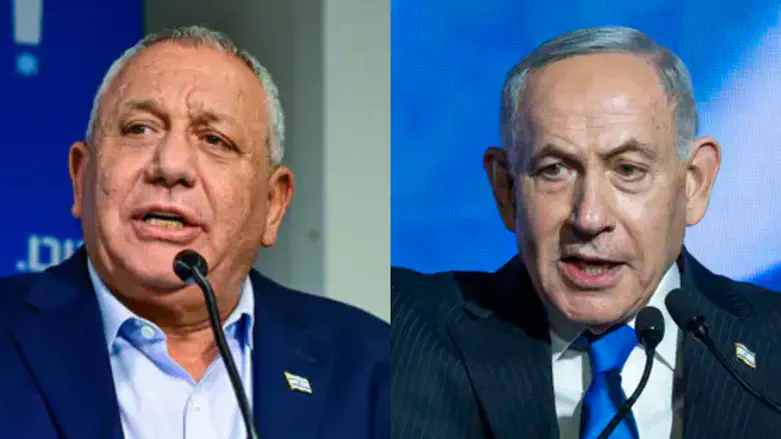
Voters are watching to see how a divided government will work. The nation now has split power between different parties. People want to know if leaders can work together to pass new laws.
How Will Voters Respond to Divided Government?
Many voters are unsure about what a split state house or Congress will mean for their daily lives. Some citizens hope that different parties will compromise on major issues like the budget and local safety. Others worry that a divided setup will lead to fights where nothing gets done for months.
When parties split power, every single vote counts for a lot more. Many people who describe themselves as an independent voter often decide which side gets to win tight legislative debates. Readers are keeping a close eye on how political figures talk to the public during these big debates.
What a split power setup means for normal people
A divided government can change how fast new rules get made. When one group does not control everything, passing big bills takes a very long time. This can delay help for schools, public roads, and local health programs. People often get frustrated when their leaders spend time arguing instead of solving hard problems.
On the other hand, split power keeps one single party from making huge changes too quickly. It forces lawmakers to talk to the other side before they write final laws. Groups like the League of Women Voters help educate everyday people on how these political legislative processes function. Many citizens prefer this balance because it keeps policies closer to the middle.
Key facts about government splits
Understanding split leadership helps people see why certain bills fail or pass. Here are key points that show how voters react when power is shared across parties:
- Voters often split their ballots to keep one party from having total control over the nation.
- Passing basic budgets requires both major parties to agree on key numbers and funding ideas.
- Public trust can drop quickly if leaders choose gridlock over practical solutions for towns.
- Future elections are heavily shaped by which party gets the blame for political arguments.
People will be watching everyday news to see which leaders decide to work together. The choices made during this period will shape the political mood for many years to come.
What to watch for in the coming months
In the coming months, voters will look closely at how major leaders handle big votes. If the key parties work together, they might pass important bills that help communities thrive. If they fight constantly, voters might decide to punish those leaders during the next major election cycle.
Town halls and public meetings will show how angry or happy local citizens feel about the situation. People will keep asking if their representatives are putting the country first or just playing party politics. The answer to that simple question will decide who wins the next big fight for power.
